Known as the 'Roof of Africa', the Simien Mountains offer dramatic escarpments and rare wildlife. Discover the best routes, gear essentials, and how to spot the endemic Gelada baboons.
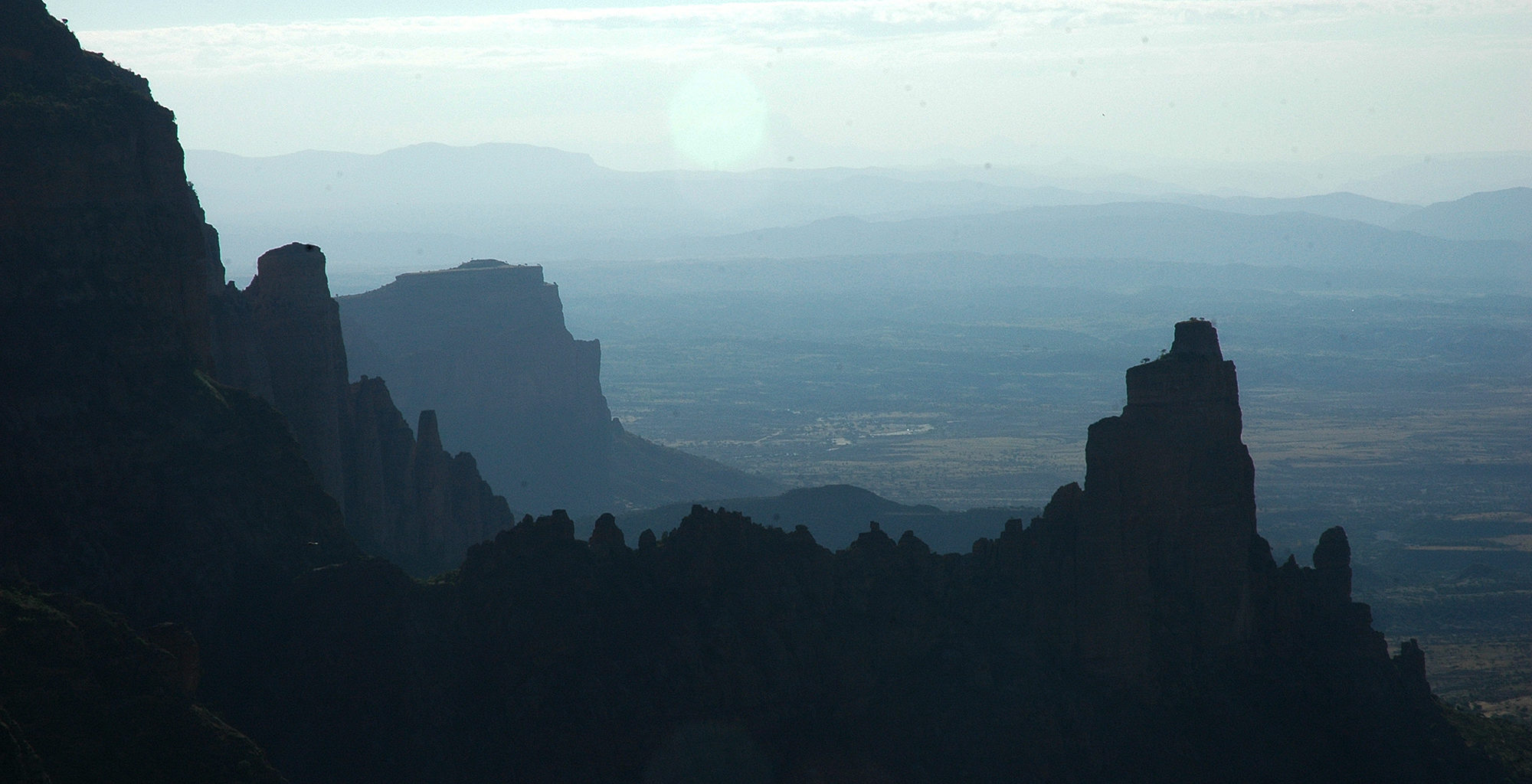
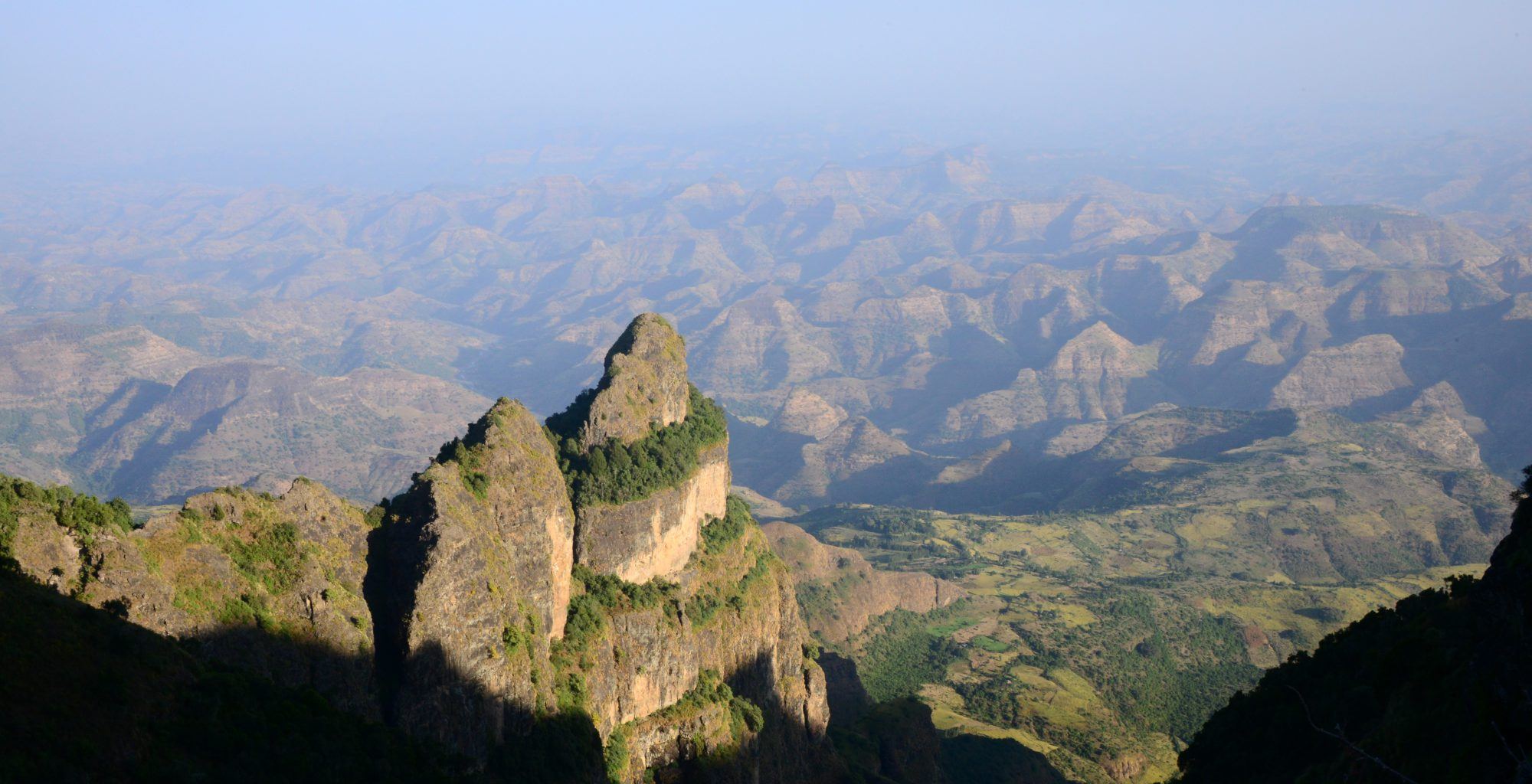
Carved by millions of years of massive erosion, the Simien Mountains in northern Ethiopia boast some of the most dramatic mountain scenery in Africa. Jagged peaks, deep valleys, and sharp precipices dropping some 1,500 meters create a landscape that is both harsh and breathtakingly beautiful. Often referred to as the "Roof of Africa," this UNESCO World Heritage site is an absolute paradise for trekkers, nature lovers, and wildlife photographers.
Unlike the volcanic peaks of East Africa like Kilimanjaro or Mount Kenya, the Simiens are a vast plateau separated by deep gorges. Trekking here means constantly walking along the edge of the world, with sweeping panoramic views that stretch out toward the Eritrean border.
Encounters with Endemic Wildlife
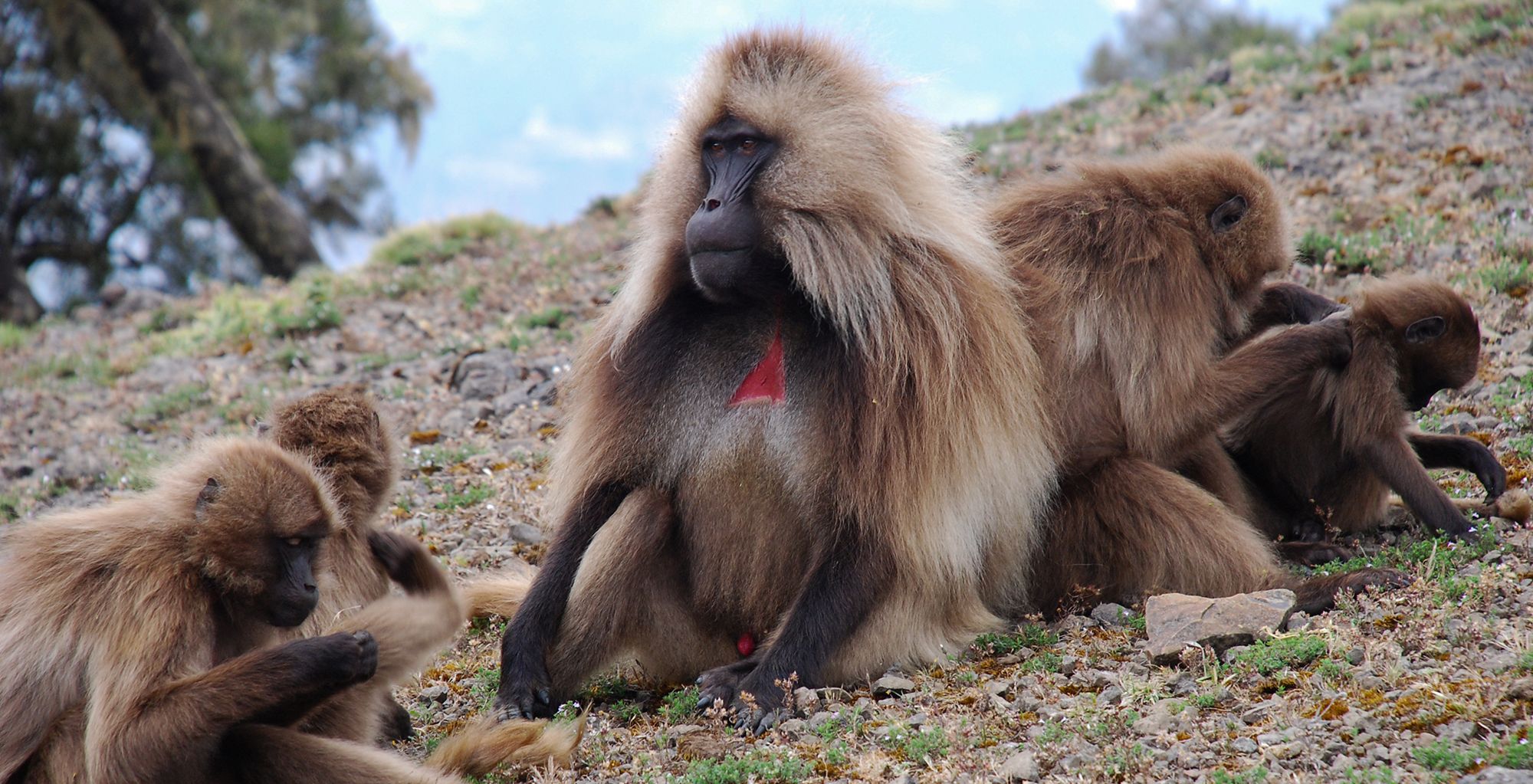
One of the primary reasons hikers flock to the Simiens is the wildlife, much of which is found absolutely nowhere else on earth. The most famous resident is the Gelada baboon, distinguished by its magnificent golden mane and the bright red hourglass-shaped patch on its chest.
Unlike other primates, Geladas are exclusively terrestrial herbivores. You will often find them in troops of hundreds, peacefully plucking grass on the plateau edges. They are incredibly habituated to humans, often allowing trekkers to sit quietly within a few feet of their troops to observe their complex social interactions.
If you keep your eyes peeled on the sheer cliff faces, you might also spot the endangered Walia ibex, a nimble mountain goat that navigates the precipices with astonishing ease. Above you, massive Lammergeier (bearded vultures) with wing spans of up to three meters ride the thermals, known for dropping bones from great heights to crack them open on the rocks below.
Standing on the edge of the escarpment at Imet Gogo, watching Lammergeier vultures ride the thermals above the abyss, you realize exactly why they call this the Roof of Africa.
Choosing Your Route
Treks in the Simien Mountains are highly customizable and can range from a single day excursion to an epic two-week traverse.
- Sankaber to Chennek (3-5 Days): This is the classic, most popular route. It takes you through the heart of the national park, offering consistent views of the escarpment. It passes the spectacular Jinbar Waterfall and culminates at the Chennek campsite, widely considered the best spot in the park to see the Walia ibex.
- Imet Gogo Day Hike: If you are short on time, a hike from the Gich campsite to the promontory of Imet Gogo (3,926m) offers perhaps the single most breathtaking 360-degree viewpoint in the entire mountain range.
- Ras Dashen Summit (7-10 Days): For the truly adventurous, reaching the summit of Ras Dashen—Ethiopia’s highest peak at 4,550 meters (14,930 ft)—is the ultimate goal. It requires significant stamina and acclimation, but rewards you with the prestige of conquering the "Roof of Africa."
Essential Gear and Preparation
Trekking in the Simiens requires proper preparation. The most critical factor is the altitude. The basecamp at Debark sits at roughly 2,800 meters, and most of the trekking is done between 3,200 and 4,000 meters. Taking time to acclimatize and hiking at a slow, steady pace is essential.
The weather is notoriously fickle. During the day, the equatorial sun is intense, requiring high-SPF sunscreen, a wide-brimmed hat, and plenty of water. However, as soon as the sun dips below the horizon, temperatures plummet, frequently dropping below freezing at higher camps like Chennek. Packing in layers, including a high-quality thermal base layer, a fleece, and a wind/waterproof outer shell, is mandatory.
Lastly, independent trekking is not permitted. By law, all visitors must be accompanied by an armed park scout, and hiring an expert local guide and mules for your gear is highly recommended to ensure you get the absolute most out of your expedition safely and comfortably.