Carved from solid volcanic rock in the 12th century, the eleven monolithic churches of Lalibela remain one of the world's most astounding architectural feats. Join us as we explore the "New Jerusalem" and experience the deep, unwavering faith of the Ethiopian Orthodox pilgrims who flock here.
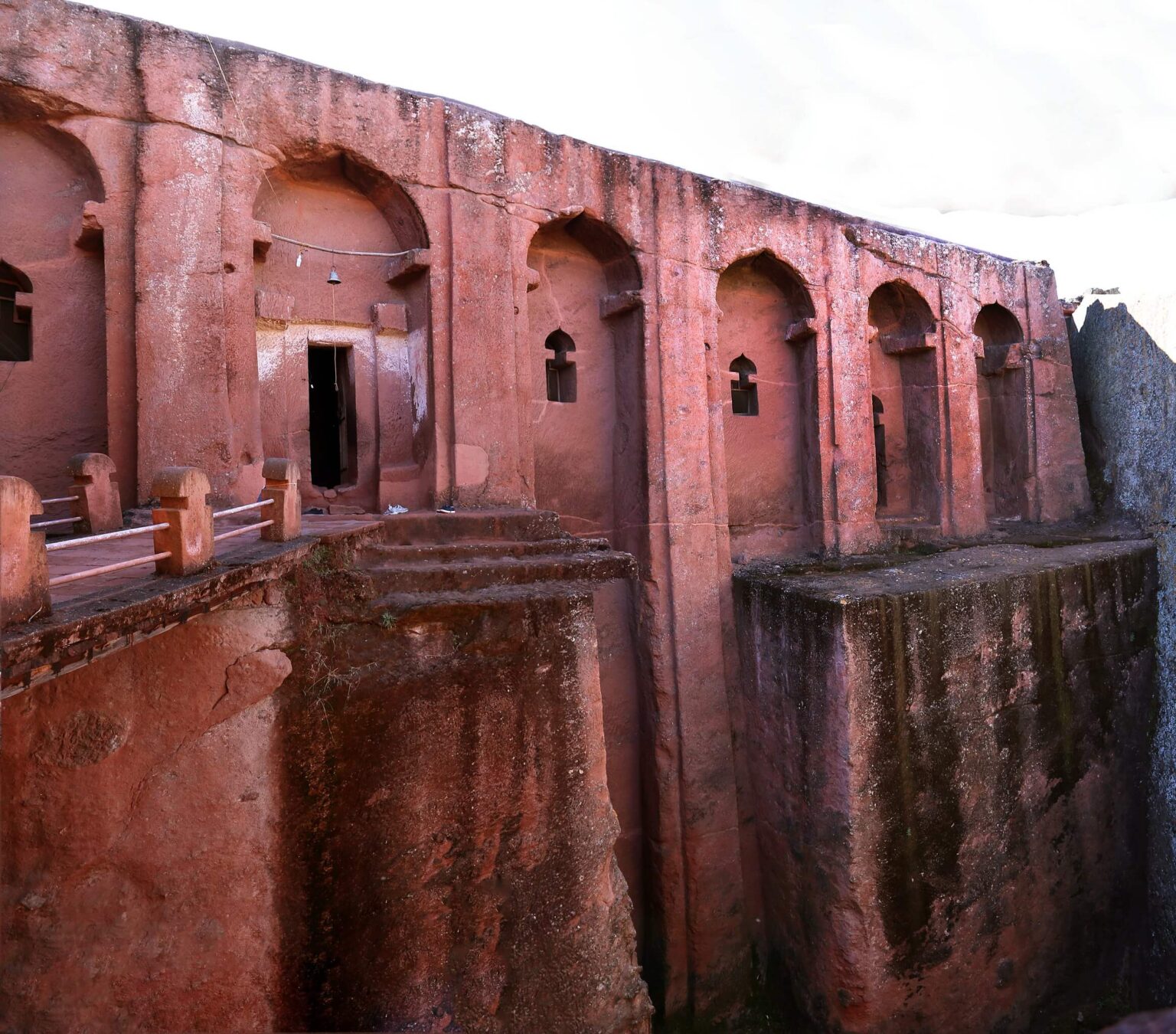
Hidden within the rugged expanse of the Lasta Mountains in northern Ethiopia lies a site that defies both time and traditional engineering. Unlike conventional buildings that rise from the earth upwards, the churches of Lalibela were entirely excavated downwards. Artisans chipped away the red scoria rock to free these monumental structures from the earth, detailing them with doors, windows, columns, and roofs, all remaining attached to the bedrock at their base.
According to legend, King Lalibela of the Zagwe dynasty commissioned these structures after Muslim conquests halted Christian pilgrimages to the Holy Land. His vision was profound yet simple: to construct a "New Jerusalem" on Ethiopian soil. The layout and names of the major buildings in Lalibela are widely accepted to be a symbolic representation of Jerusalem, complete with a river baptized as the River Jordan.
The Masterpiece: Bet Giyorgis
Among the eleven churches, separated into northern and southeastern groups by the River Jordan, one stands out as the crown jewel: Bet Giyorgis (the Church of Saint George). Carved in the shape of a perfect symmetrical cross, it is sunk fifteen meters deep into the bedrock. Accessing it requires descending through a narrow, trench-like walkway that spirals down to the sunken courtyard.
Standing at the lip of the trench looking down at the roof—adorned with concentric crosses—it is impossible not to feel a sense of awe. Local folklore insists that King Lalibela was aided by angels who worked through the night, doubling the speed of human laborers during the day. When you examine the sheer precision of the monolithic carving, this divine myth suddenly feels remarkably plausible.
Lalibela is not merely a collection of ancient ruins; it is a living, breathing sanctuary. The chanting echoes through the trenches just as it did eight centuries ago.
A Living, Breathing Sanctuary
What truly sets Lalibela apart from other global archaeological sites—like Petra in Jordan or Machu Picchu in Peru—is its ongoing spiritual vitality. Lalibela is not a museum; it is the beating heart of the Ethiopian Orthodox Tewahedo Church.
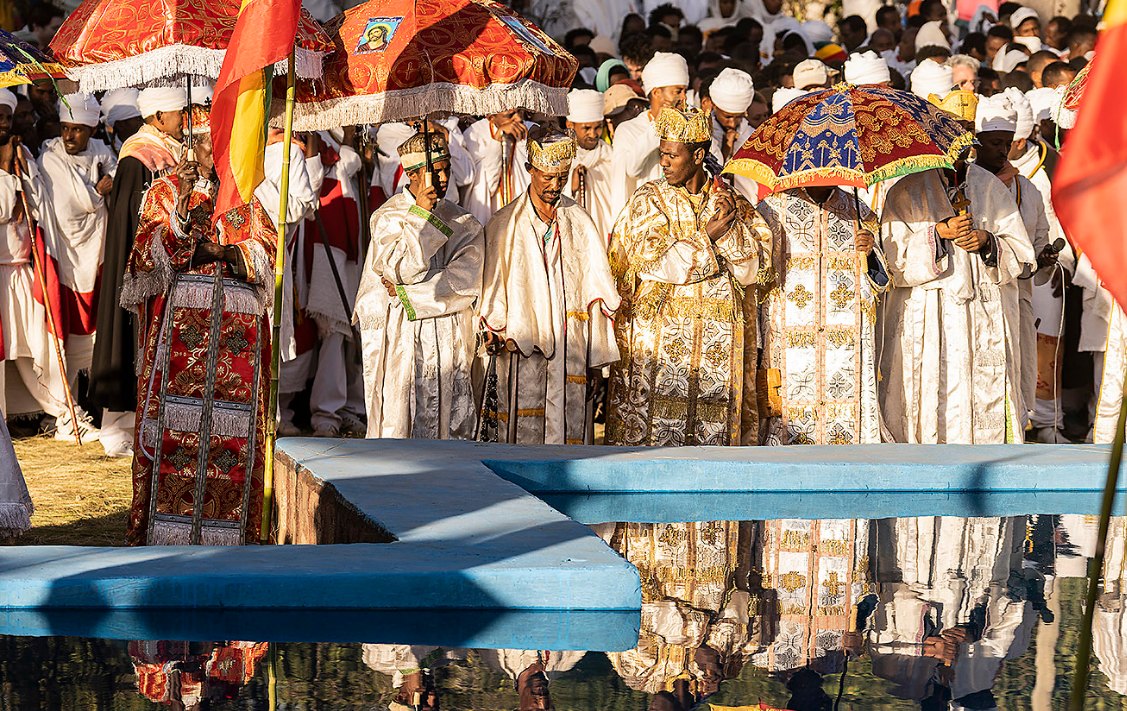
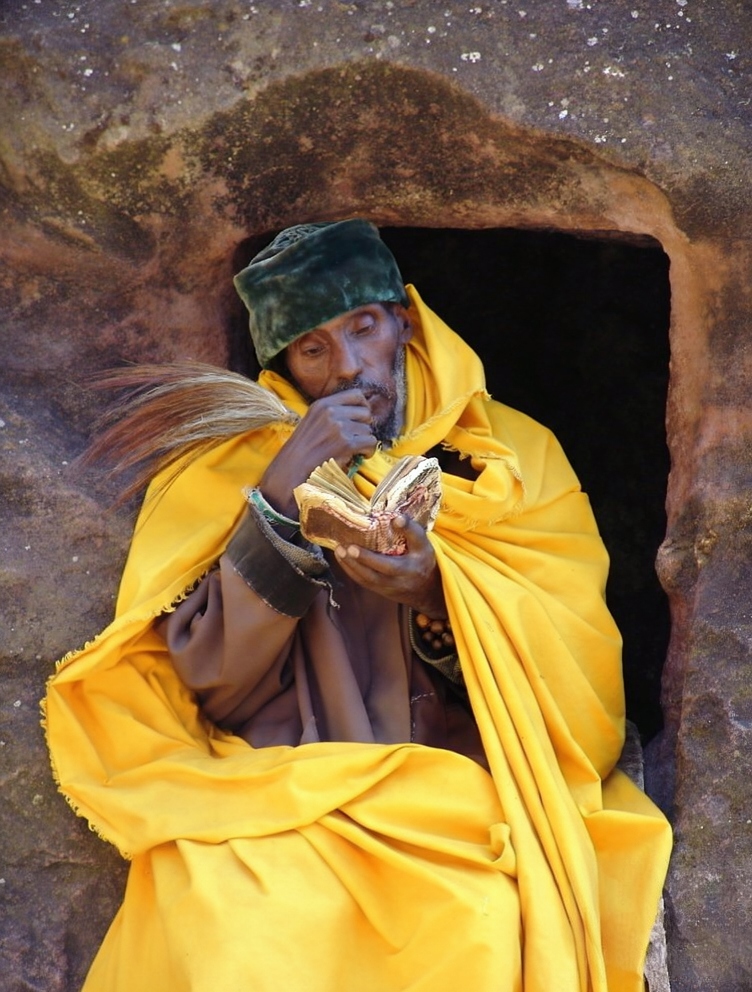
Walk through the dark, subterranean tunnels connecting the churches, and you will be enveloped in a sensory tapestry. The scent of frankincense clings to the damp air. Worn stone steps are polished smooth by millions of bare feet over the centuries. In the dim candlelight of the sanctuaries, priests draped in white cotton robes lean on their prayer sticks, chanting liturgies in the ancient language of Ge'ez to the rhythmic beat of the kebero drum.
Planning Your Pilgrimage
Visiting Lalibela is a profound experience, but it requires mindful preparation. The churches are situated at an altitude of around 2,600 meters (8,500 feet), which keeps the air cool but demands a modest pace for those unaccustomed to the elevation. The best time to visit is during the dry season from October to March.
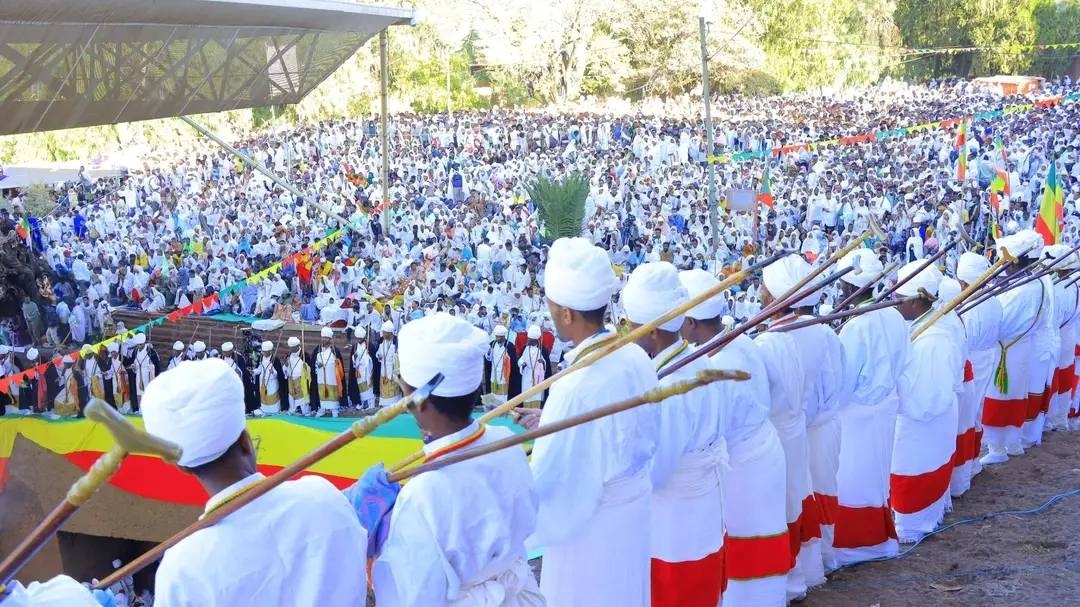
For an unforgettable cultural immersion, time your visit to coincide with Ethiopian Christmas (Genna) in early January, or the Epiphany (Timkat) later that month. During these festivals, the town swells with tens of thousands of pilgrims who camp in the hills, singing and praying through the night.
When you go, remember that this is a deeply sacred space. Visitors must remove their shoes before entering every church (slip-on shoes are highly recommended), and modest dress—covering shoulders and knees—is strictly enforced. To truly understand the history, myths, and architectural nuances of the site, exploring with an expert local guide is essential.