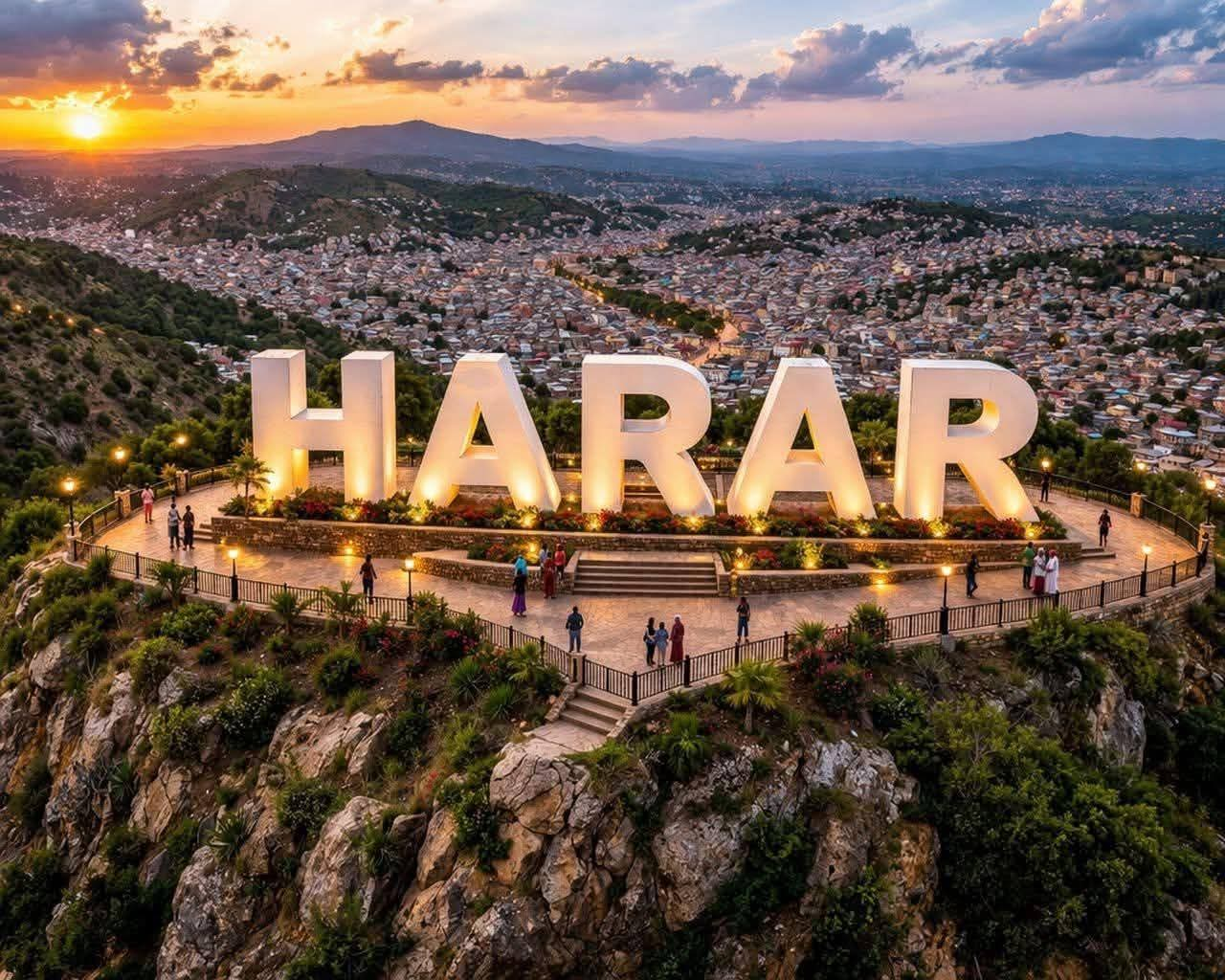
Step through the gates of Harar Jugol, a UNESCO World Heritage site. Experience the colorful alleyways, the legendary coffee, and the ancient tradition of night-time hyena feeding.
Harar is a place that feels suspended in another era. Located in eastern Ethiopia, this fortified historic town—known as Harar Jugol—is often called the fourth holiest city of Islam. Enclosed by a thick stone wall built between the 13th and 16th centuries, it is a dense, colorful labyrinth of 82 mosques and 102 shrines packed into just one square kilometer. To enter through one of its five historic gates is to step into a sensory masterclass of color, commerce, and faith.
A Living Museum: Inside the Walls
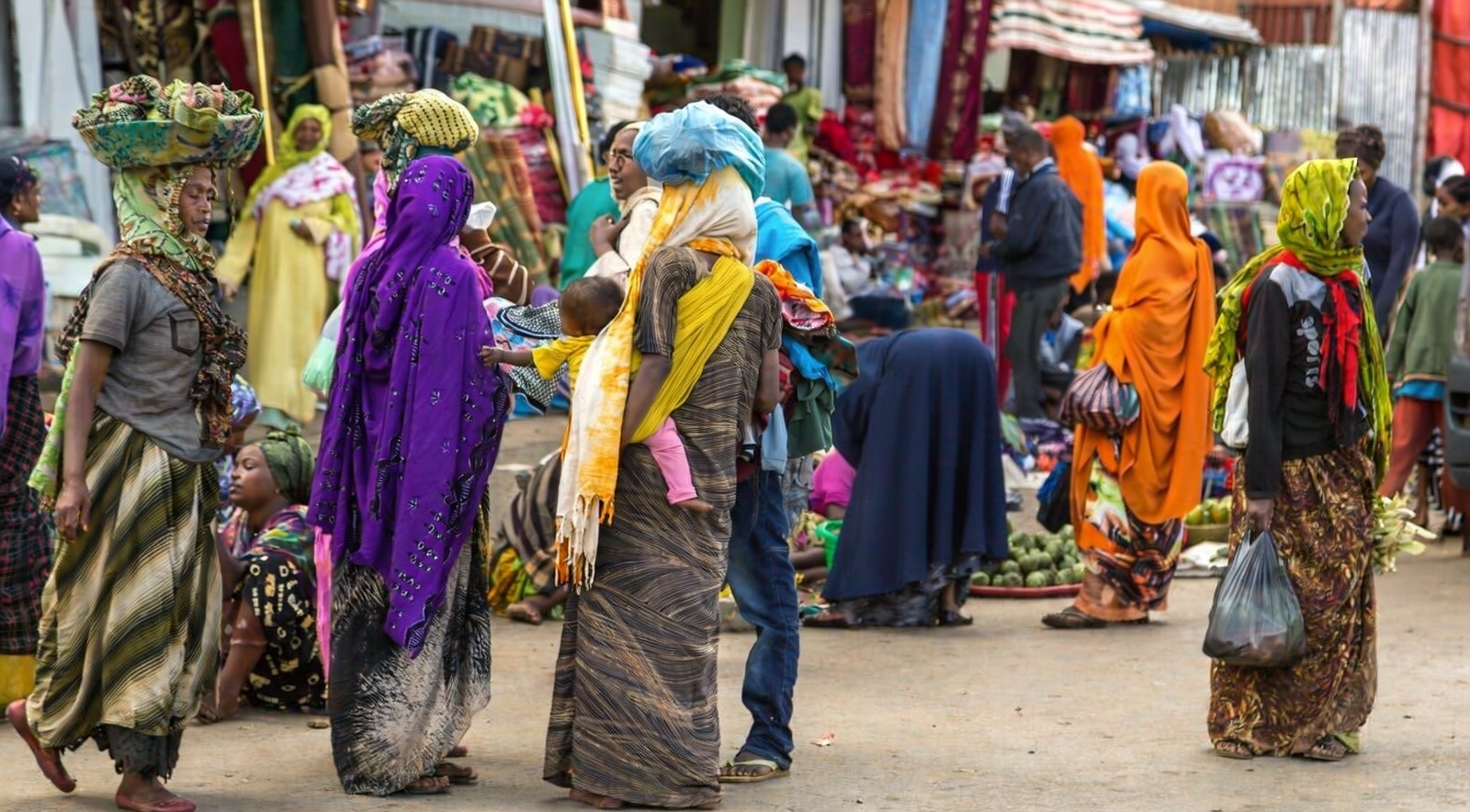
The beauty of Harar lies in getting lost. The streets are too narrow for cars, filled instead with women in vibrant Harari dresses and the scent of roasting coffee. The town is famous for its unique traditional houses, or Gegar. These homes are works of art: their main rooms are decorated with intricate basketry and ceramics, and their raised floors are designed to signify social status and facilitate communal dining.
Don't miss the Arthur Rimbaud House. The French poet lived in Harar in the late 19th century while working as an arms dealer and coffee merchant. Today, his former residence is a beautiful museum and cultural center, offering a window into the eclectic history of the city during the era when it was a major trade hub between the African interior and the Red Sea.
The Soul of the City: Coffee and Chat
Harar is synonymous with coffee. The beans grown in the surrounding highlands are prized worldwide for their blueberry notes and wild, earthy profile. You can visit local roasting houses where the beans are still processed by hand, just as they have been for centuries. Alongside coffee, you will see the omnipresent bunches of Chat—a stimulant leaf that is central to Harari social life, often chewed in the afternoons during long sessions of conversation and community bonding.
Harar is not just a destination; it is a feeling. It's the warmth of a sun-drenched alleyway and the echo of a call to prayer across a thousand years.
The Nightly Ritual: The Hyena Men
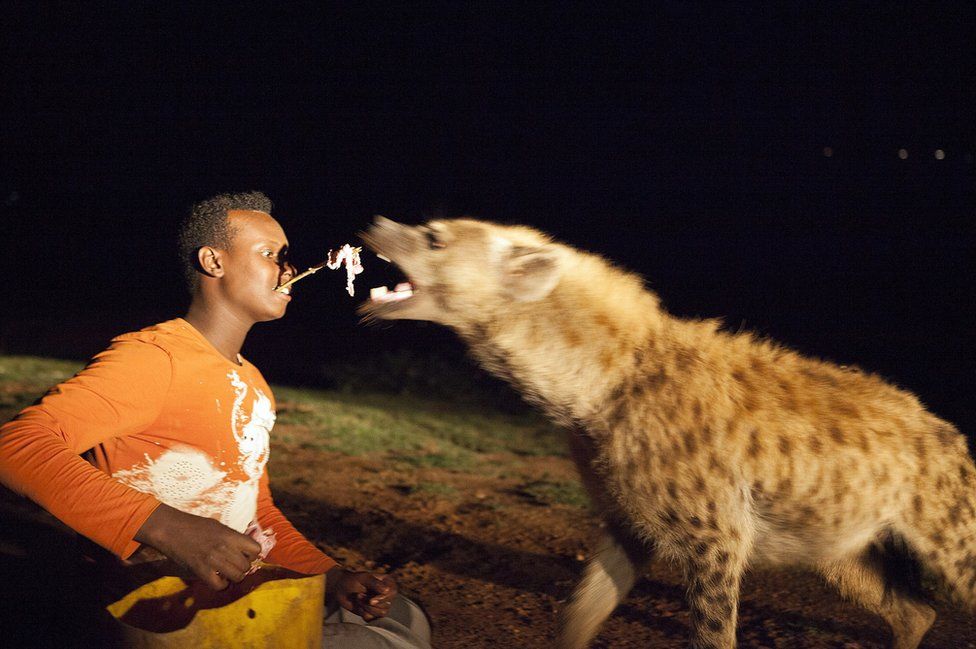
As the sun sets and the city gates close, Harar’s most famous residents arrive. For generations, a group of "Hyena Men" on the outskirts of the city have maintained a peaceful relationship with the wild spotted hyenas that live in the surrounding hills. Every night, these men call the predators by name and feed them scraps of meat—sometimes even from their own mouths or hands.
What started as a way to keep the hyenas from attacking livestock has evolved into a mystical, peaceful coexistence. Watching these large, powerful animals emerge from the shadows of the city walls to feed in the dim light of a flashlight is an experience that defies logic and remains one of the most unforgettable spectacles in all of Africa.
A Crossroads of Culture
Harar is a testament to the peaceful integration of diverse cultures and faiths. While it remains a deeply Islamic city, its history as a trade center has woven together influences from Arabia, India, and the African highlands. It is a city that rewards the slow traveler—the one who stays long enough to share a coffee, learn a greeting, and witness the magic that happens when the night belongs to the hyenas.